Leaping Into Action
March 26, 2025
Articles
By Karen Dybis, Contributing Writer
The Detroit Zoological Society (DZS) is celebrating its recent partnership with the Wildlife Trafficking Alliance (WTA), which Zoo experts say will protect animals in Michigan and across the globe that are targets for illegal buying and selling.
The partnership also will help educate guests on how the illegal wildlife trade industry affects zoos and sanctuaries worldwide, including the Detroit Zoo, says Dr. David Dimitrie, director of conservation for the DZS.
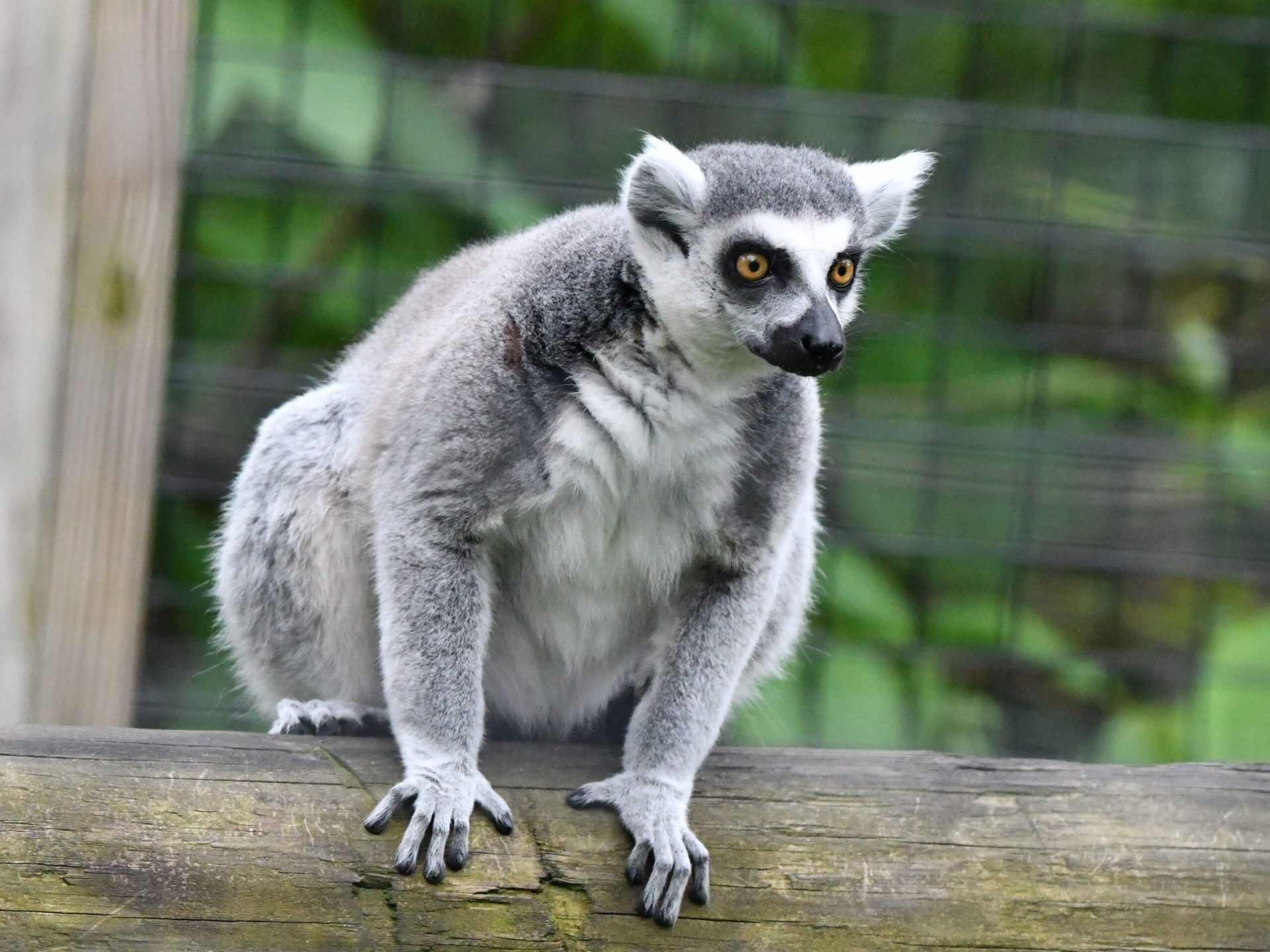
While there are success stories of rescued wildlife such as the beloved ring-tailed lemurs who call the Zoo home, Warren, Remy, Molly and Finnigan, there are many more stories of animals whose health is compromised or lives are cut short because of illegal trafficking, Dimitrie explains.
“We’re really in the midst of a wildlife trafficking crisis, and it’s labeled a crisis for a reason,” Dimitrie says. “It’s fueled by the high demand for wildlife and wildlife products, which is driving some species to extinction.”
PARTNERSHIPS BOLSTER ADVOCACY
The WTA is a coalition of more than 90nonprofits, companies and Association of Zoos and Aquariums-accredited zoos like Detroit working together to reduce and hopefully eliminate the trade of wildlife and wildlife products. It does this by reducing demand, advancing laws and policies to reduce illegal wildlife trade and providing protocols for groups like the Detroit Zoo that care for wildlife confiscated from illegal trade.
Dimitrie says the Detroit Zoo is fulfilling part of its purpose through this partnership — to ignite positive change for animals and nature. After joining the WTA in 2024, the Zoo now is ramping up the partnership by sharing stories of how it specifically is affected by issues created by the wildlife trafficking crisis, such as rehoming exotic pets.
For example, Remy came to the Detroit Zoo in 2015 from California, where the group that rescued him believed he was kept as a domestic pet. However, Remy failed to receive proper care, so Detroit Zoo experts had to work diligently then and continue to work daily to improve his diet, health and other key aspects that create a happy life, such as socializing him with other ring-tailed lemurs.
“Remy and other rescued animals like him can serve as ambassadors to our guests and members,” Dimitrie says. “He will help us make those connections between responsible pet ownership and illegal wildlife trafficking. Reducing that upfront demand for an exotic pet is part of WTA’s Not a Pet campaign, which seeks to raise awareness about the illegal trade of wild animals as pets.”
Another WTA campaign — I Travel for Wildlife — is a collaboration that seeks to educate the public about wildlife trafficking and reduce the demand for illegally traded wildlife and wildlife products. Wildlife products are defined as items such as elephant tusks, rhinoceros’ horns or pangolin scales, which can be used for everything from food to jewelry to medicine.
Wildlife trafficking is a multi-billion-dollar international issue. According to a recent United Nations report cited by AZA, as many as 1 million plant and animal species are now at risk of extinction due to human activities, including poaching. As the fourth-most profitable transnational crime, wildlife trafficking is considered a threat to human health and welfare, and the economy.
As an advocate for the Zoo joining WTA, Dimitrie says he hopes this partnership will have an immediate and long-term effect. He points to animals such as the eastern box turtle, Michigan’s only terrestrial turtle that is considered threatened in Michigan because it is often illegally poached and traded.
“If you can reduce that demand, you can play a role in ending illegal trafficking in our own backyard,” Dimitrie says. “We are still in the early stages of the WTA partnership, but we’re excited about it. There’s more to come.”
EXPERTISE GUIDES CARE
Detroit Zoo curators also say they support the WTA and the Zoo’s partnership because of what they see and experience as they care for the animals the Zoo supports.
Every animal at the Detroit Zoo requires a special level of expertise in their daily needs, and individuals who purchase exotic pets may not have the same level of understanding about what that animal needs at different stages of their life, says Brian Manfre, a curator of mammals for ungulates and small carnivores.
In the case of a rehomed squirrel monkey the Zoo cared for, Manfre says the animal lived apart from others like him and had imprinted only on people. That means he lacked the necessary social skills to integrate with other animals.
“There are a great deal of resources required when we take in an exotic pet or an animal rescued from a large breeding center. We give them the benefit of around-the-clock access to veterinary care and access to our animal-welfare scientists, as well as our dedicated staff who have devoted themselves to the care of these animals,” Manfre says.
A FOCUS ON REHABILITATION
Depictions of exotic wildlife at events,performing on television or on social media platforms living in an individual’s home may seem humorous, but these portrayals fail to show the true reality of that animal’s life, says Tami Brightrall, a curator of mammals for primates and large carnivores.
“We are sometimes called in to help by airports, local police or community members who see exotic pets who need help. And we can help in a lot of ways, like rescuing these animals and helping them with placements in an appropriate zoo or sanctuary,” Brightrall says.
That help often starts with a detailed evaluation of that animal — did they receive the diet, health care and socialization they need to thrive? Brightrall says many exotic pets are treated poorly and suffer because of it.
“I’ve seen primates that eat toaster pastries instead of greens or broccoli. They weren’t having regular veterinarian checkups, so their teeth may be in bad condition,” Brightrall says. "Smaller primates need a lot of special vitamins and minerals in their diets. If their needs are not met, they can develop skin, coat and metabolic issues."
Getting these exotic pets back to baseline can take weeks, months or years, Brightrall says. That’s hard on the Zoo’s resources, which must be evenly shared among all its residents, but it is hardest on the animals most of all.
One goal of the Detroit Zoo’s WTA membership is to educate people about why exotic animals are not suitable as domestic pets. Brightrall recommends sticking to the classics, such as dogs, cats, rats and guinea pigs. Both the animal and your family will be happier.
“We want people to understand the amount of time, energy, research and care we put into caring for every sea otter and polar bear. It’s incredible. And we do it all over at the Zoo. It takes a lot of people and expertise to do that,” Brightrall says.
“Visiting your favorite wildlife at the Zoo — that’s what we’re great for. You can get close to that animal, you can talk to a docent, and you can learn everything about how we care for them,” Brightrall says. “You can have a great day getting close to red pandas, and learn a great deal about why having one for a pet is not appropriate.”