Winter Wonder: How Animals in Belle Isle's Backyard Adapt to the Weather
December 13, 2024
Events
By Ryan Vance, Nature Center Supervisor
After the first snowfall, a stillness settles over the landscape, reminding us of winter’s invitation to slow down, reflect and reconnect with nature’s rhythms. As we pause, so too do many plants and animals, adapting to the cold and preparing for renewal.
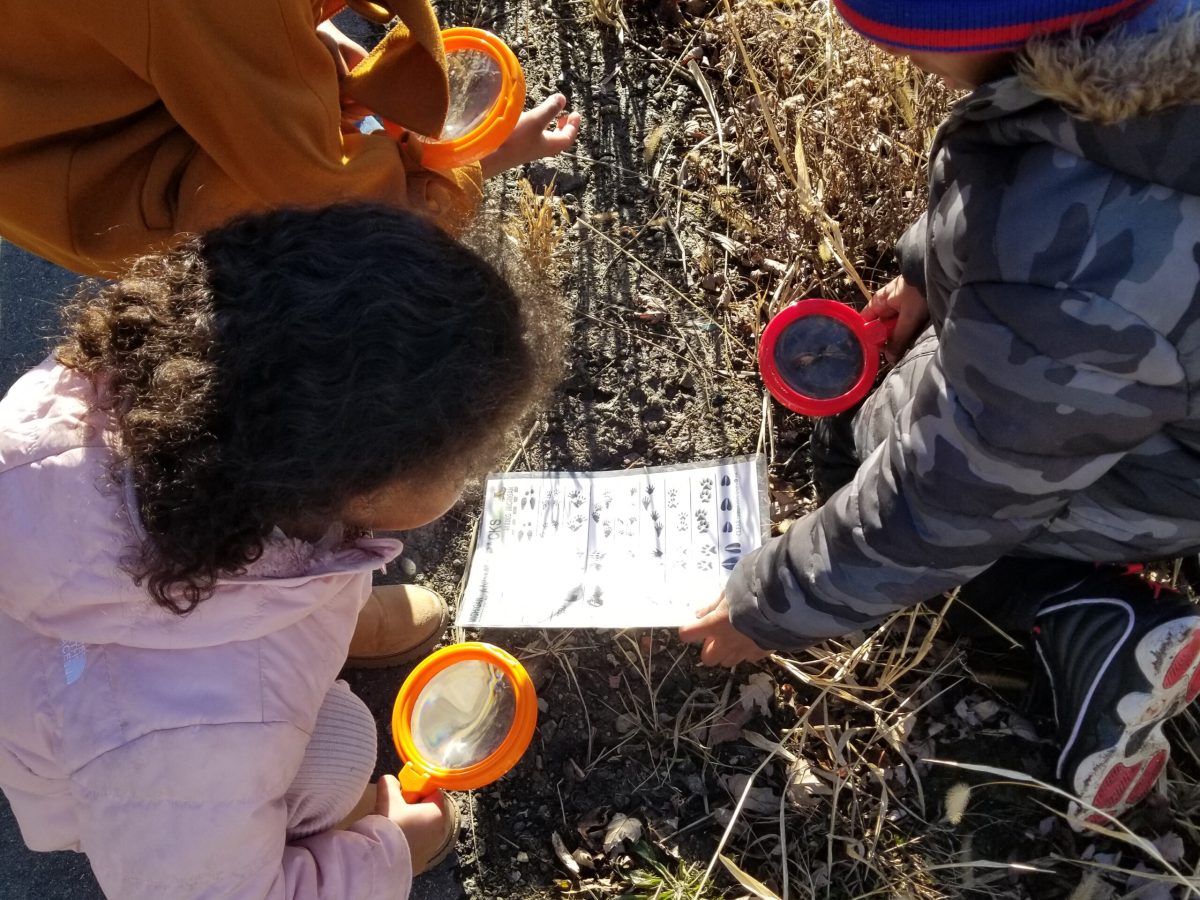
On Belle Isle, small animal tracks dot the snow, and dormant plants glow vibrantly against the white. These quiet signs reveal nature’s resilience and how wildlife adjusts to winter’s chill. Commonly known adaptations like hibernating or migrating are just two examples of how other earthlings adapt to winter, but there are many more right in your backyard, block or local park.
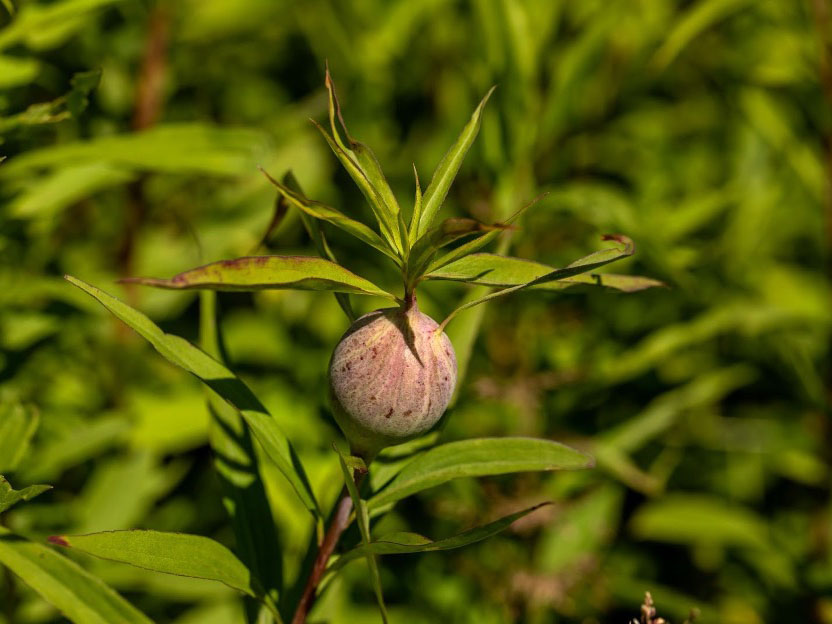
The goldenrod gall fly offers a fascinating example of survival, like some homebodies prefer, staying inside. During spring, adult goldenrod gallflies inject their eggs into the stem of only one plant, the goldenrod flower. Once hatched, the young larvae will feed on the inner layers of the stem and the unharmed plant grows taller. Soon after, a bulbous sphere appears on the plant's stem, protecting the young larvae from the harsh elements of winter until the following spring when it will emerge as a fully formed fly and continues the cycle.
Dragonflies use different strategies — some migrate south like birds, while others lay eggs in the water on Belle Isle, hatching when warmer weather arrives. Some years, dragonfly larvae do not emerge from the water in their winged form and instead spend a winter underwater.
It’s turtles all the way down — to the bottom of the pond that is. Turtles spend the coldest months burrowed in the sediment at the bottom of ponds and lakes. Like the goldenrod gall fly, they slow their metabolism, reducing their need for oxygen as they wait for spring to such an extent that they can breathe through not just their nose but also their skin and a unique breathing apparatus — in their rear end.
Even in your backyard, countless animals adapt to the cold. Moths and butterflies hide in cocoons under leaves, while bumblebees stay snug by burrowing a hole in the ground. Others find protection beneath logs and rocks. You can support this process by leaving leaves and fallen logs undisturbed, creating safe winter habitats for these creatures. Embrace the slower pace of winter and respect nature’s need for rest. By allowing animals to hibernate in peace and keeping their habitats intact, we contribute to the natural cycle of renewal. As the world quiets, we can reflect on how we, too, can pause and appreciate the beauty of winter’s calm.
Winter is a season of quiet growth and preparation. Like the plants and animals around us, we can find strength in rest and renewal, knowing that after winter’s stillness comes the promise of new beginnings.