How You Can Help Birds Migrate Safely in Michigan
October 8, 2025
Animals
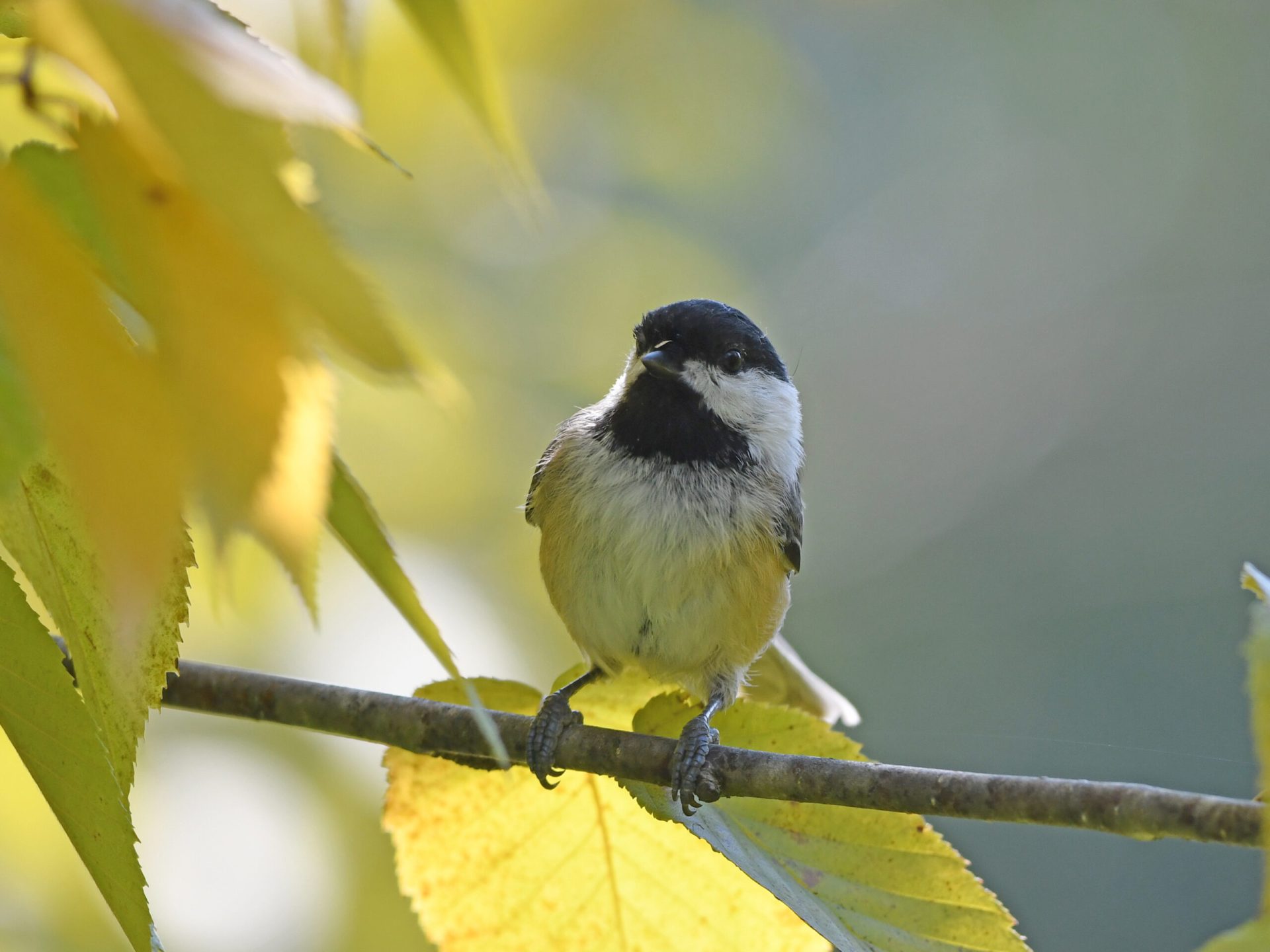
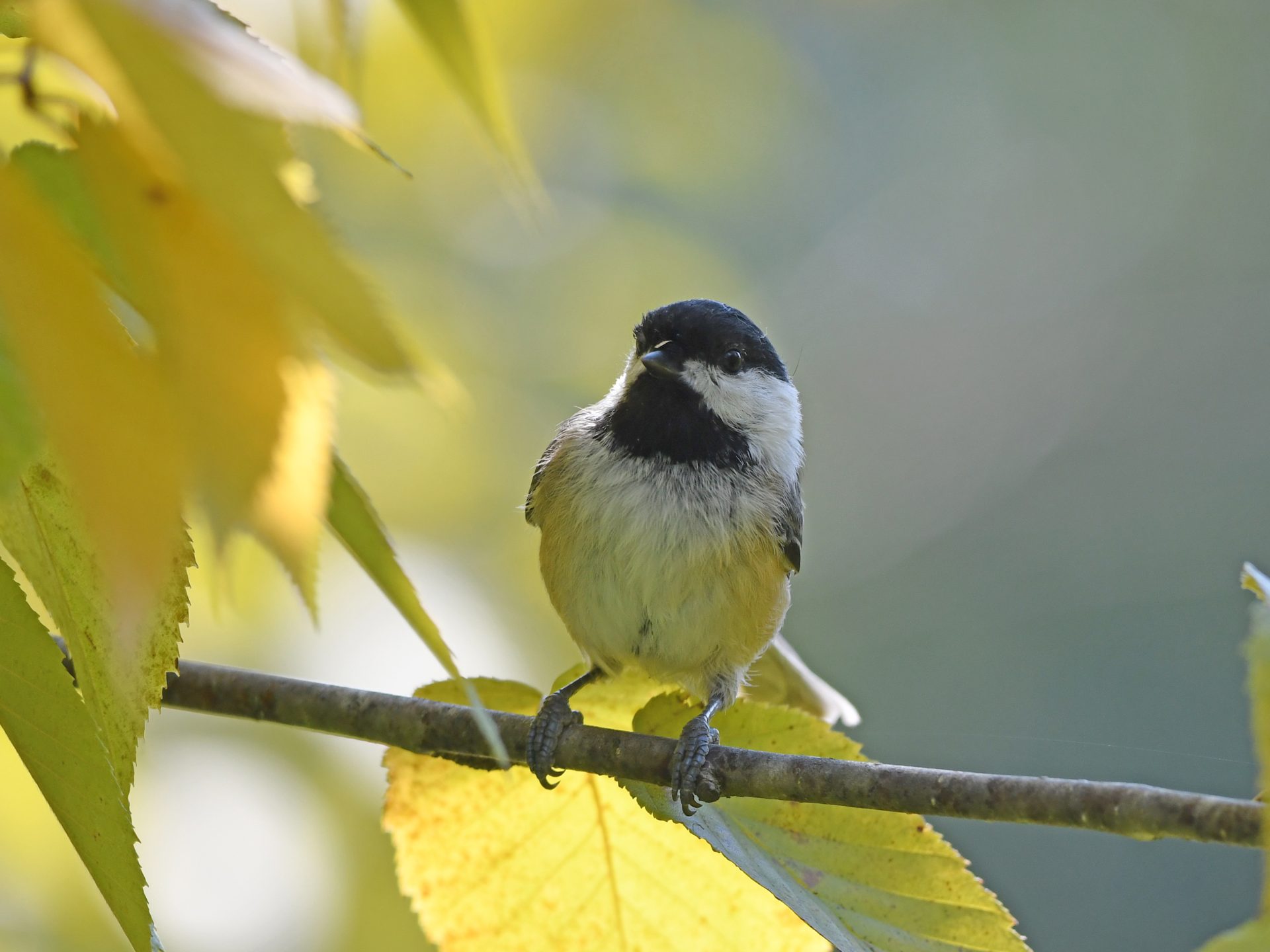
Each fall, the night skies above Michigan come alive with movement. Tens of thousands of migratory birds journey through the Great Lakes region, guided by the stars on routes that have connected continents for millennia.
This breathtaking migration is one of nature’s great endurance tests, but it’s also increasingly perilous. Artificial lights, reflective glass and shrinking habitats can turn safe passage into survival against the odds.
That’s why on Oct. 11, the Detroit Zoological Society (DZS) joins communities around the world in celebrating World Migratory Bird Day (WMBD). It’s a biannual reminder that the choices we make on the ground shape the skies above.
Why Bird Migration Matters in Metro Detroit
Detroit sits at the intersection of the Mississippi and Atlantic flyways, two major avian highways. Every spring and fall, millions of migratory birds pass overhead. Most of these species travel at night — navigating by the stars and Earth’s magnetic field — to avoid predators and take advantage of cooler temperatures.
These nocturnal voyages are nothing short of epic. Some birds travel more than 4,000 miles between breeding and wintering grounds. Others, like the Arctic tern, traverse even more in their global circuits. What’s more, peak migration windows are often sharply concentrated—some nights see tens of millions of birds aloft.
However, artificial light from buildings and streetlights draws birds off course. Studies show that lights can attract birds from as far as three miles away, causing them to circle illuminated areas until they collide with structures or exhaust themselves.
In 2023, almost 1,000 migratory birds died after colliding with a single building in Chicago, illustrating the tragic toll light pollution can take.
The Danger of Light Pollution
Light pollution — the excessive or misdirected use of artificial light — obscures the night sky for humans, but for birds, it’s a matter of life and death. That’s why it’s the focus of WMBD’s 2025 theme.
BirdCast, a partnership between the Cornell Lab of Ornithology and other organizations, estimates that 365-988 million birds die annually from collisions with buildings. Lights attract and disorient night-migrating birds, leading them to strike windows or become vulnerable to predators.
Peak migration occurs in the United States between March and June in spring and August to November in fall, with particularly heavy movement in Michigan during September and early October.
Turning off the lights during these windows can reduce bird deaths by more than 60% and saves energy at the same time.
Detroit Zoo Water Tower Goes Dark
At the Detroit Zoo, we’re committed to leading by example. As part of our participation in the Lights Out program and our leadership in SAFE’s North American Songbird program, we’re turning off the up-lighting on our iconic Water Tower at 11 p.m. each evening throughout October.
The tower is one of our tallest structures and its upward lights can be seen for miles, so turning the lights off reduces the risk of drawing migratory birds off course. We encourage everyone in the community — from businesses in downtown Detroit to residents in surrounding suburbs — to follow suit and turn out unnecessary lights.
This local action builds on a region-wide commitment. In 2017, Detroit signed the Urban Bird Treaty, becoming the 29th city in the nation to formally promote bird-friendly initiatives. The treaty encourages habitat restoration, invasive species control, and education, but it also explicitly supports Lights Out programs.
How You Can Help Migratory Birds
Our feathered neighbors need safe passage, and everyone has a role to play. Here are six practical steps you can take during bird migration season:
Turn off or dim non-essential lights between 11 p.m. and 6 a.m. This is one of the most effective actions you can take. Close blinds or shades at night to prevent interior light from escaping and drawing birds toward windows.
Aim outdoor lights downward and use warm LEDs. Shield fixtures so they illuminate the ground rather than the sky. Motion sensors and timers ensure lights are on only when needed.
Make windows safer. Apply dense decals, tape or UV-reflective markers to windows, or install exterior screens to break up reflections and reduce collisions. Move feeders and plants close to windows so birds can’t build up enough speed to hit the glass.
Create bird-friendly gardens. Plant native species that provide food and shelter. Avoid pesticides and herbicides, as many migratory birds rely on insects. Last year’s WMBD theme highlighted how insect decline threatens birds.
Stay informed with BirdCast. Check real-time migration forecasts at BirdCast to see when heavy migration is expected over your area. During peak nights, consider extra measures like drawing curtains and turning off decorative lighting.
Support local conservation efforts. Join organizations like the Detroit Bird Alliance or SEMI Wild that advocate for bird safety and collect collision data. Volunteer for habitat restoration or citizen-science monitoring.
Designing Shared Spaces for Birds and People
Creating bird-friendly cities is more than turning off lights — it’s about reimagining our shared environment. The 2025 WMBD theme invites us to incorporate green roofs, native plantings, and wildlife corridors into city planning.
Data shows that nearly half of bird species are declining, and building safer, more sustainable communities is essential to reverse that trend. By reducing light pollution, adding native vegetation, and advocating for bird-safe architecture, metro Detroit can become a leader in creating spaces where birds and people flourish together.