An Arctic Adventure
March 25, 2025
Articles
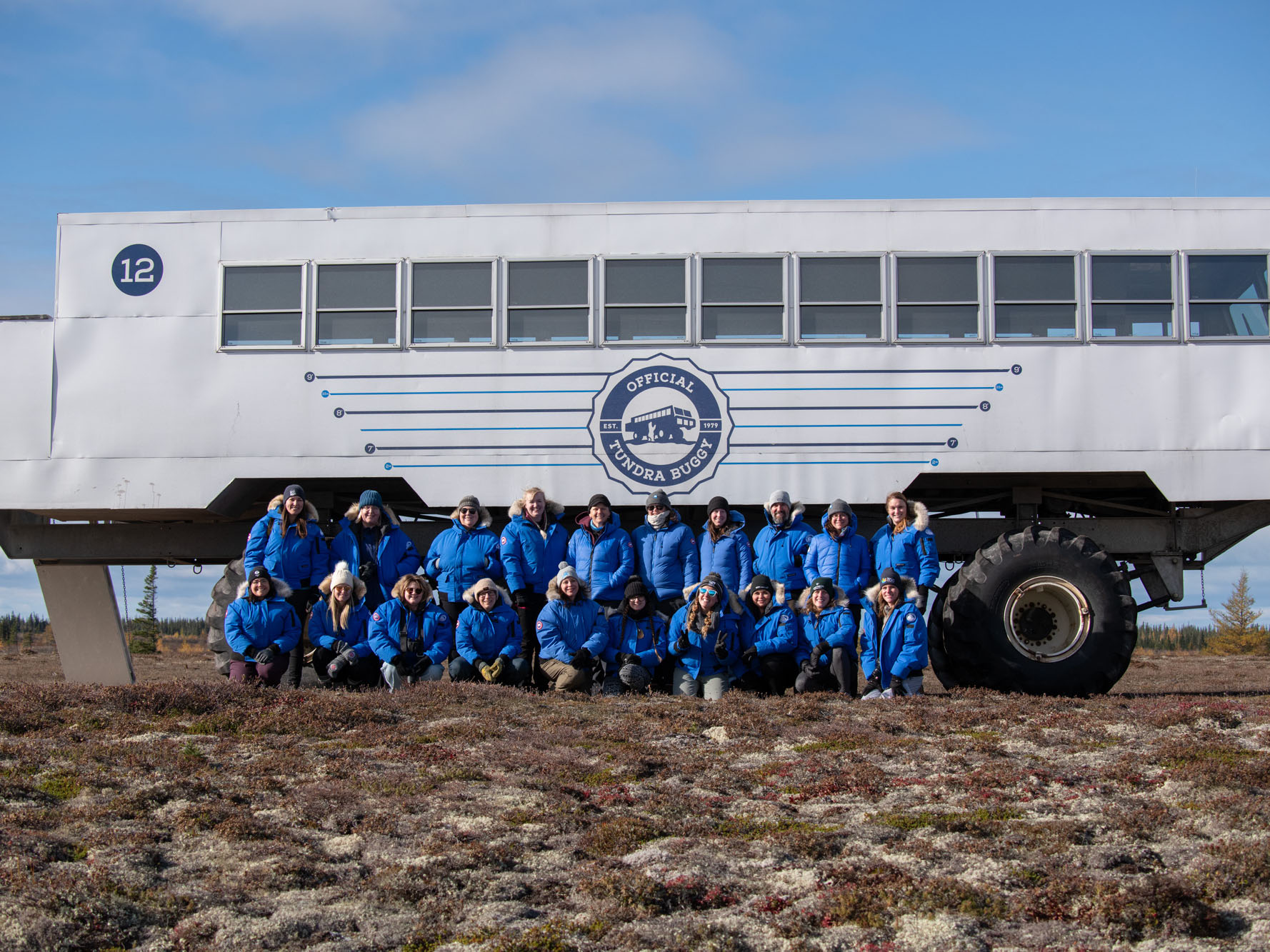
"It should be coming up now, really soon," our driver, Bob, states in his usual quiet, calm manner. The Tundra Buggy hits another bump — one of too many to count that we have traversed over since beginning our journey this afternoon. And then, there amongst the subtle browns, greys and greens of the tundra while a light snow begins to fall, we catch our first glimpse of a polar bear rambling along the shores of the Hudson Bay.
Churchill, Manitoba sits at nearly 59 degrees northing latitude within the ecosystems of boreal forest and arctic tundra. The town and its people identify best with the iconic polar bear that also calls Churchill home. Polar bears in this population spend the summer and early fall in and around Churchill, passing time along the shores and nearby interior terrestrial habitats surrounding the Hudson Bay. In late fall and into the winter, seasonal sea ice forms on the Hudson Bay. Much like soil is vital to a forest, sea ice is important to the Arctic ecosystem, and polar bears rely on sea ice to hunt their favorite prey — seals — as well as to travel and den. However, as a result of climate change, polar bears are experiencing less available sea ice and more time spent on solid ground, which means they must subsist for longer and swim further without the protein rich diet they need. Increasingly in recent years, the bears face growing interactions with the community members who also call Churchill home. In fact, throughout their range, polar bears face a list of threats, including loss of sea ice resulting from climate change, increased commercial activities such as oil and gas drilling and exploration, pollution, disease and increasing interactions with people and communities.
A FUTURE FOR POLAR BEARS
Members of the Detroit Zoological Society (DZS) team traveled to Churchill in October 2024 to join our partners at Polar Bears International (PBI) as a member of the Arctic Ambassador Center Network. As an Arctic Ambassador Center member, we joined for the 2024 Climate Alliance Program, along with representatives from other Arctic Ambassador Center zoos and aquariums joining us from as far away as Portland, Oregon and the United Kingdom. Throughout the week, we spent time building new partnerships and collaborating on advocacy plans to bring home to our respective institutions. These advocacy plans will serve as a framework for how we can communicate with our guests as well as local leaders to broaden knowledge and inspire action around climate change and polar bear conservation. The DZS has sent staff to participate in the Climate Alliance Program in previous years as well, including team members from our animal care and education departments. Together, our DZS Arctic Ambassadors are working together to strengthen our role as a champion for polar bear conservation and climate change education.
MORE THAN JUST POLARBEARS AND THE ARCTIC
While Hudson Bay sits 1,200 miles north of the Detroit Zoo, the challenges confronting polar bears in the Arctic are relevant for us at home in the Great Lakes. Climate change poses a threat to our local wildlife and habitats, while also presenting unique challenges to the entire Great Lakes ecosystem. Thanks to our commitment to polar bear conservation as well as conservation in our own backyard in Michigan and throughout the Great Lakes, we are working to protect wild animals and their habitats at home and abroad. And that is what our role in the Arctic Ambassador Network is all about – working with our conservation partners in the field as well as other zoos and aquariums, local citizens, and public leaders to ignite positive change for wildlife both here at home and around the globe.
Future generations of polar bears and people depend on the decisions and plans we make today. On our last night in Churchill, we gathered under the northern lights. As polar bears along the shores of Hudson Bay did the same while waiting for sea ice to return, we paused to reflect on a future where polar bears still call this place home. Thanks to the Arctic Ambassador Center Network, our partners at PBI and our commitment at the DZS to address important conservation challenges, we are hopeful they will.
To learn more about Polar Bears International and their work protecting wild polar bears and their habitats, visit polarbearsinternational.org. Learn more about our travel partner, Frontiers North Adventures, which provided lodging and Tundra Buggy accommodations, at frontiersnorth.com.