Welcome to our refreshed website! We've updated the experience based on your feedback.
Welcome to our refreshed website! We've updated the experience based on your feedback.
December 9, 2025
Animals
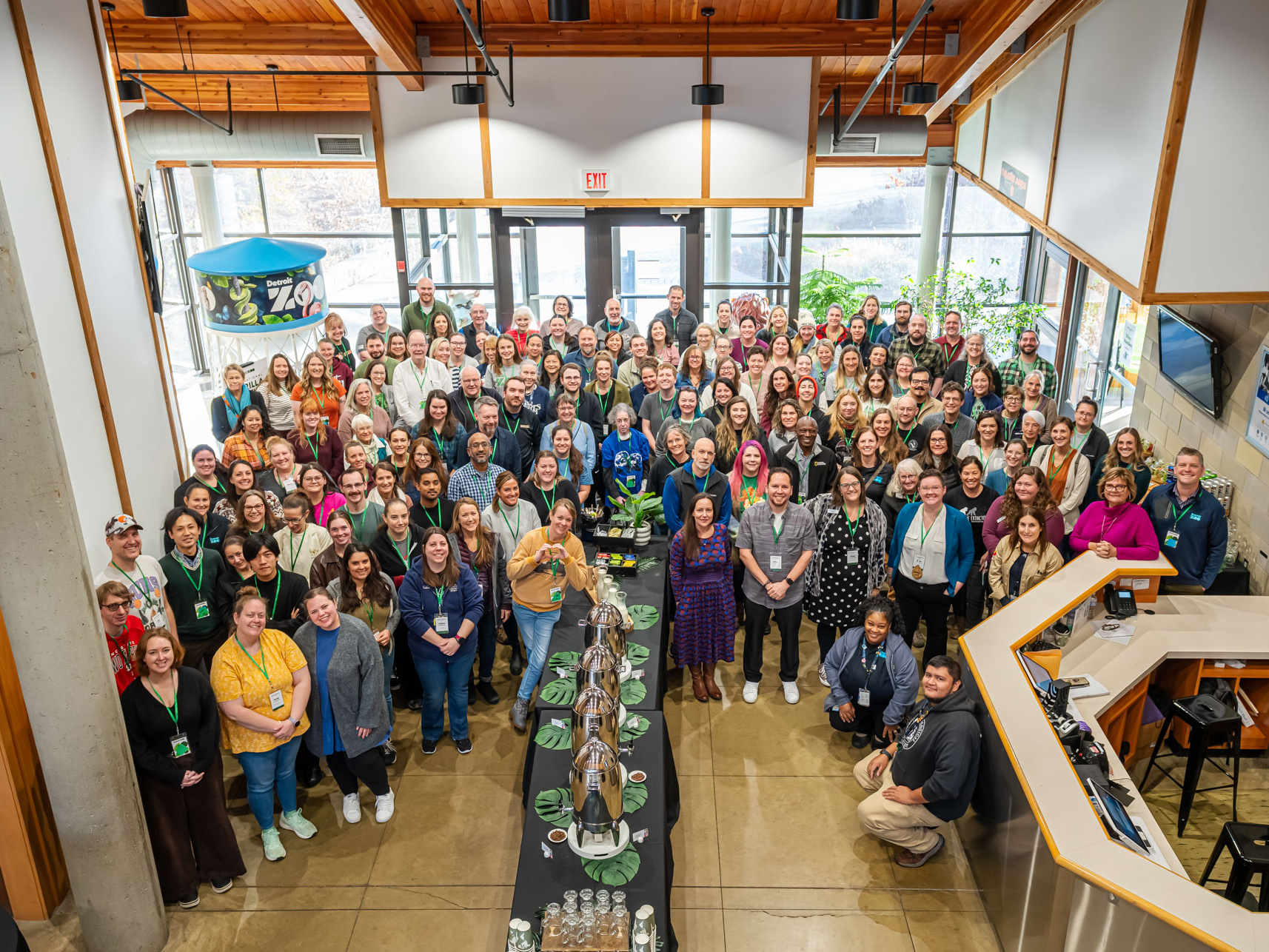

Last month, the Detroit Zoo welcomed nearly 200 participants from more than 70 organizations across 14 countries, along with an outstanding lineup of speakers, for the return of the International Gorilla Workshop (IGW).
“The International Gorilla Workshop creates a space for great experts from around the world to innovate and collaborate,” says Dr. Kylen Gartland, this year’s planning committee chair and manager of applied animal welfare science at the Detroit Zoo.
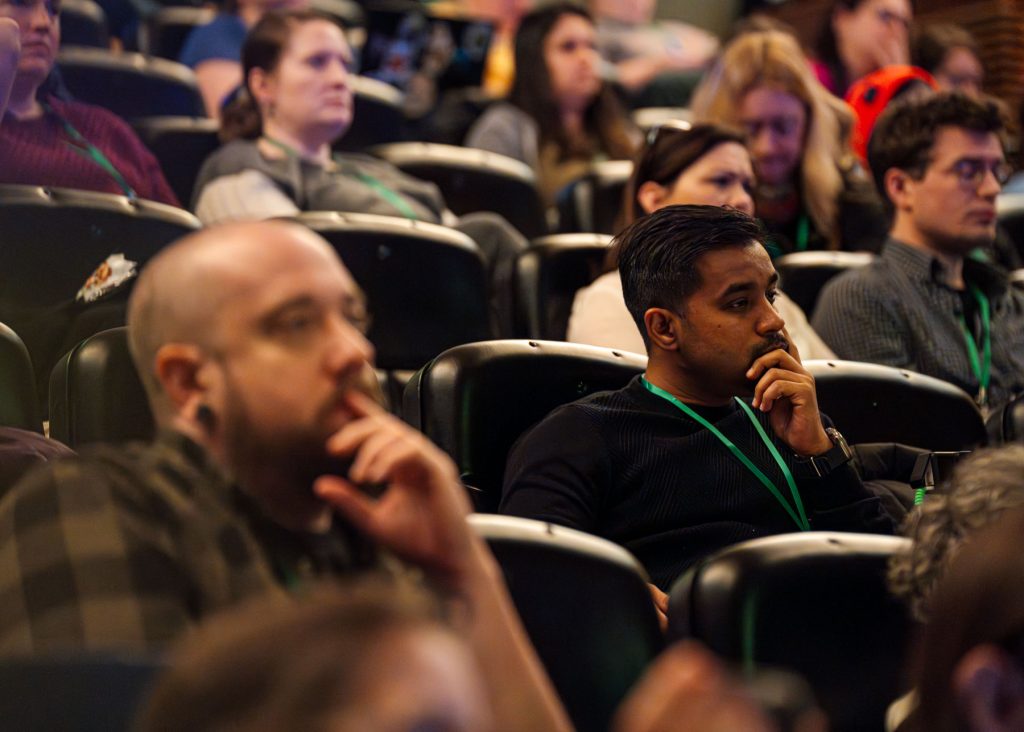
What is the International Gorilla Workshop?
The seeds of the IGW were planted in1987 when a group of gorilla zookeepers from Columbus Zoo, Beth Armstrong, Charlene Jendry, Adele Absi and Diana Frisch, saw a need for experts in gorilla husbandry to connect. They created the Gorilla Gazette, a publication and platform that allowed experts to share ideas about husbandry best practices. As the Gazette grew, the team knew they needed a forum for face-to-face networking and discussion. In 1990, the IGW was officially born. The workshop brought together husbandry staff from around the world to create a unified voice for advancing gorilla well-being under human care.
In the years since its founding, the workshop has grown to welcome all things gorilla, including in situ conservation, field research and community education. It also uses funds raised throughout the event and through an annual silent auction to support on-the-ground conservation work in gorillas’ native habitats, small grants, travel awards for IGW participants and the facilitation of future workshops. At this year’s event, the Detroit Zoo planning committee raised and donated more than $19,000 to be split among conservation organizations SAFE Gorilla, Gorilla Doctors and Congo-Apes.
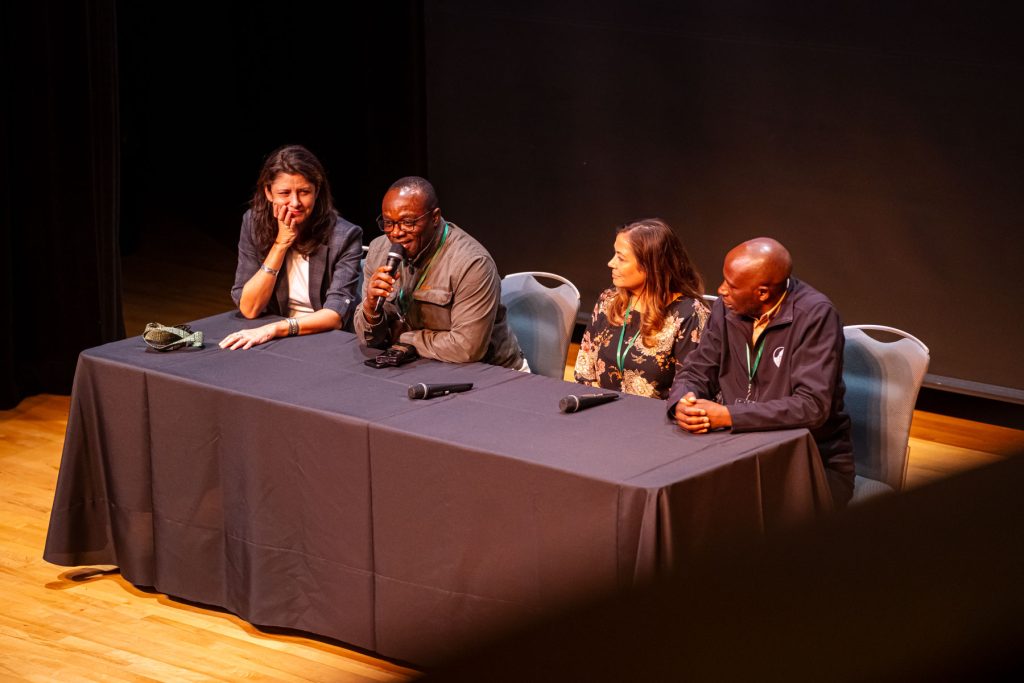
International Gorilla Workshop 2025 at the Detroit Zoo
Following a seven-year hiatus from in-person workshops, the IGW made a triumphant return in 2025 at the Detroit Zoo. Over the course of the 2025 workshop, hosted from Nov. 10-13, participants from zoos, conservation organizations and beyond — including the Great Ape Heart Project — connected and shared their expertise.
Throughout the workshop, the Detroit Zoo served as a space for experts from around the world to exchange cutting-edge insights in animal husbandry, habitat design and veterinary care — from creative training for cooperative care and innovative geriatric support to the latest evidence-based medical protocols.
But the Zoo was more than a backdrop for the IGW. It became an example of the role modern zoos play in advancing conservation and inspiring people to make a difference.
That impact was embodied by one of the IGW’s speakers: Amy Bond, chief communications officer for Gorilla Doctors, an international organization devoted to protecting wild Grauer’s gorillas. Long before she stepped into that global conservation role, Bond attended the very first IGW — at just 12 years old.
Back then, she had become captivated by gorillas after visiting the Columbus Zoo. When she learned a workshop was being hosted there, she was determined to be part of it, despite being told she was too young to attend. After persistent requests, she finally earned permission. That workshop changed the trajectory of her life, launching her on a path to help safeguard gorillas in the wild. None of it, she says, would have happened without the inspiration she found in zoos and the people who work there.
“That’s what zoos can do,” Bond says.

For Gartland and the rest of the 2025 IGW planning committee, stories like Bond’s highlight not only the value of the workshop in advancing gorilla care and conservation, but also the powerful influence zoos have in protecting great apes wherever they may live.
“The impact of the International Gorilla Workshop is huge,” Gartland says. “We are seeing a lot more collaboration from different disciplines and departments. We are learning what works and what doesn't. We gather here and then return home with our own ideas — but also the fresh perspectives and input from a whole community of colleagues, friends and mentors."